Pastoral and behavioral support

Well Being and Emotional Support

At 1-2 Achieve, we recognise that every child is unique, with their own individual needs, experiences, and backgrounds. Our experienced tutors are trained to support pupils who have experienced a wide range of challenges, including trauma, anxiety, and social or emotional difficulties.

We provide tailored emotional support and coping strategies that are personalised to each young person. By fostering a safe, compassionate, and understanding environment, we help pupils build resilience, manage their emotions, and develop the confidence to engage fully with both their learning and their wider social interactions.

Well-being and emotional support are at the heart of our approach, ensuring that each child is supported not just academically, but holistically, as they grow and progress.


OIP 8
R 6

Behaviour

we understand that children communicate their needs and respond to situations in different ways. While each young person is unique, there are general principles that help guide day-to-day behaviour and provide structure, particularly for children with special educational needs who may find the world confusing or overwhelming.

Our experienced tutors are trained in a wide range of behaviour management strategies and are proactive in creating Individual Behaviour Plans (IBP) and Individual Action and Education Plans (IAEP) tailored to each pupil. These plans provide clear expectations, consistent routines, and personalized support to help pupils develop self-regulation, positive social interactions, and the skills needed to engage successfully in learning.

By combining structure, understanding, and proactive guidance, we help students build confidence, resilience, and the ability to make positive choices in all areas of their learning.

Promoting Physical Emotional Health

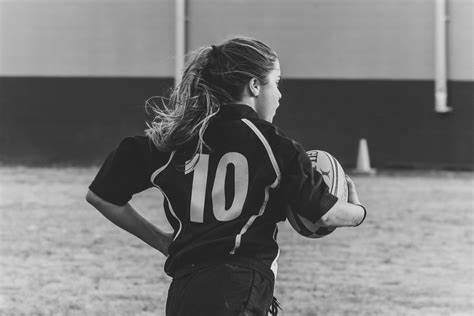
At 1-2 Achieve, we recognise the vital role that physical activity plays in a child’s overall development. Engaging in regular activity not only supports physical health but also enhances brain function and emotional well-being.

Children who participate in structured physical activities benefit in many ways:

  • Improved relationships – team and group activities foster social skills and collaboration
  • Positive body image – increased confidence and self-esteem
  • Stronger physical health – fitness, coordination, and general wellbeing
  • Enhanced mental health – reduced symptoms of anxiety, depression, pain, and loneliness
  • Better academic performance – improved focus, concentration, and energy levels
  • Improved sleep patterns – supporting overall growth and recovery

Through a variety of activities integrated into our curriculum, we ensure that pupils not only develop their physical skills but also experience the emotional and cognitive benefits that come from an active, healthy lifestyle.

OIP 9

we ensure school is the safe place

“Be someone’s security blanket when theirs is in the wash. ”Richelle E. Goodrich
5082833